


IN THIS ISSUE:
What's New At CTG?
In this article, we highlight how CTG’s team-building—from WhirlyBall to improving businesses through premise-based phone systems.

This online publication is provided compliments Brett Harney, President of CTG.
What's New at CTG?

Team Spirit in Action: CTG Hits the Court at WhirlyBall
Collaboration, Innovation, & a Little Healthy Competition
At Corporate Technologies Group, we believe that our strength lies not just in our expertise but in our people. Recently, our team took a break from the usual office rhythm to engage in some fast-paced fun at WhirlyBall in Bedford Heights. This unique team-building experience perfectly reflects what CTG stands for: collaboration, innovation, and a little healthy competition.
WhirlyBall combines elements of basketball, lacrosse, and bumper cars, creating an environment where teamwork is essential, quick thinking pays off, and everyone’s contribution matters. Just like at CTG, success on the court relies on clear communication, mutual support, and celebrating both individual and collective wins.
Moments like these aren’t just about fun—they strengthen the collaboration, trust, and creativity that CTG brings to every client partnership. By growing stronger as a team, we ensure that we can tackle complex challenges together and deliver innovative technology solutions that help our customers succeed.
Here’s to many more opportunities to grow, collaborate, and have fun—on and off the court!
2026 Newsletter Archive
2025 Newsletter Archive
Unlocking The Full Potential of Your Business Phone System
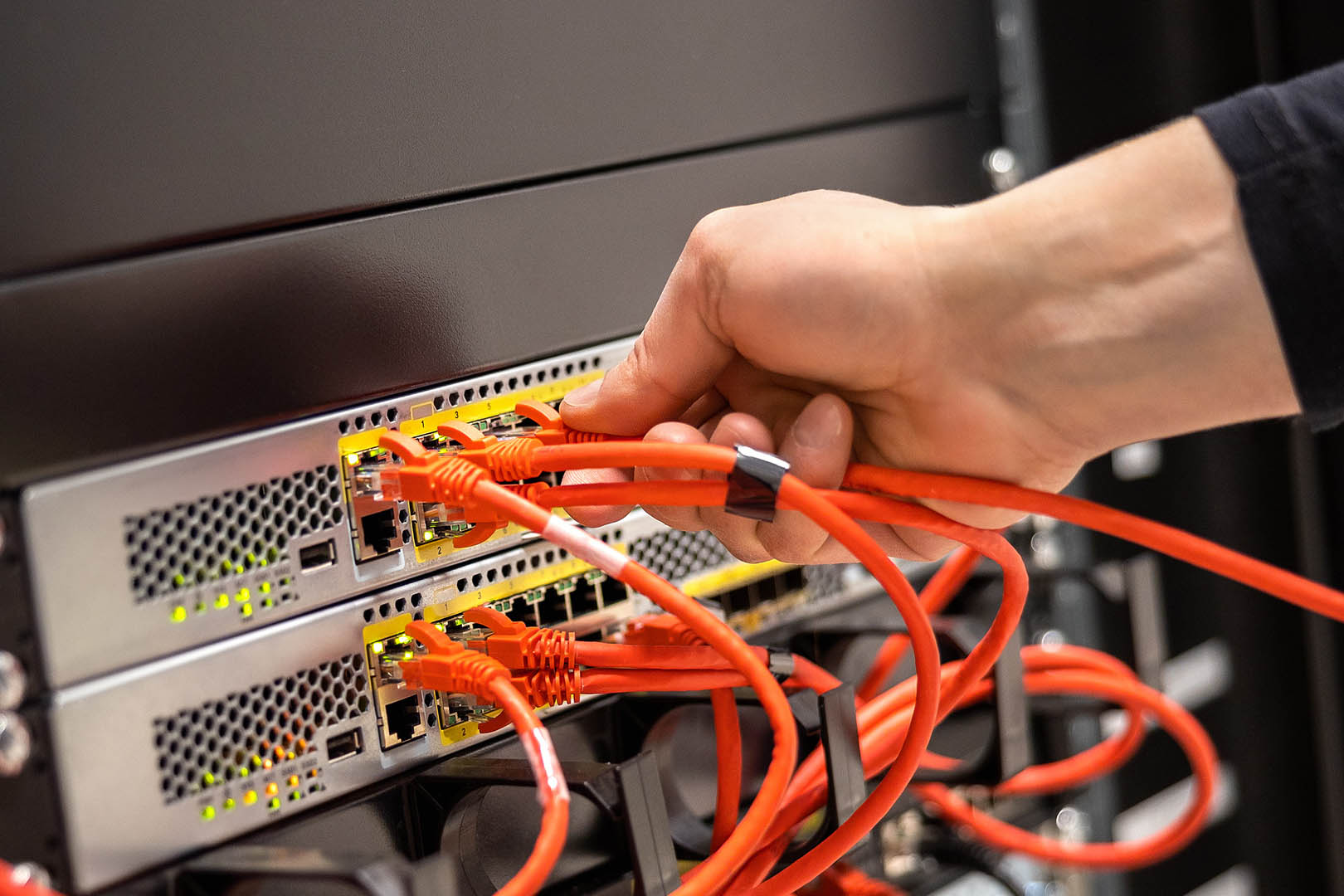
Your phone system is more than just a tool for calls. In today’s competitive environment, it can do much more. A modern communications system, whether cloud-hosted or an upgraded on-premise solution—can improve team productivity, customer experience, and overall business performance.
Traditional phone setups can feel limited as your business grows. Missed or dropped calls, delayed follow-ups, and lack of visibility into team performance directly affects productivity and customer satisfaction. These issues often stem from gaps in network integration, underutilized system features, or outdated hardware—areas where a unified services provider can optimize performance.
Upgrading Your Premise-Based System
Many assume cloud-hosted VoIP is the only way to access advanced features, but modern on-premise systems can also deliver high performance. Upgrading your existing system can:
- Improve call quality and reliability with updated hardware and software
- Enable advanced call management, including IVR menus, call queuing, and automated routing
- Integrate with CRM, helpdesk, and email tools
- Provide analytics and dashboards to track team performance and customer interactions
- Maintain strong local security and compliance control
Leading on-prem solutions now include features once reserved for cloud systems: voicemail-to-email, call recording, mobile apps, video conferencing, and real-time call analytics. For businesses with compliance needs—such as banks, hospitals, or credit unions—premise-based options provide local control and modern functionality.
Cloud and Hosted Solutions
Cloud-hosted systems offer scalability and remote flexibility, supporting hybrid teams and mobile employees. Hosted VoIP solutions integrate with CRM tools and provide real-time reporting to optimize customer interactions. Both on-prem and cloud systems deliver advanced call tracking, routing intelligence, and performance visibility. The right choice depends on your business’s operational priorities and infrastructure.
Maximizing Your Phone System
Regardless of the system, the goal is the same: make your phone system a strategic asset, not just a utility. Many businesses underuse features they already have, leaving efficiency gains and customer experience improvements on the table. By leveraging every available feature—through an upgraded premise-based system, hosted solution, or hybrid approach—teams can reduce missed calls, accelerate follow-ups, and improve productivity.
If you want to ensure you’re leveraging every feature, optimizing team performance, and delivering the best possible customer experience—schedule a phone system assessment today! Call 330-655-8448 or email info@ctgusa.net.
TECH TRIVIA
Registered on March 15, 1985, which was the first domain name on the Internet?
A. Symbolics.com
B. Think.com
C. Xerox.com
D. Northrop.com
(Answer below)

Proactive Network Monitoring: Keeping Your Business Safe in a Digital World

Cyber threats are a daily reality for businesses of all sizes. Small and mid-sized organizations, including Ohio credit unions, often lack the internal resources to monitor networks 24/7, leaving them vulnerable to attacks. Proactive network monitoring, powered by SOC (Security Operations Center) and SIEM (Security Information and Event Management) solutions, is essential to detect and address threats before they impact operations.
Many businesses react to incidents after they occur, which can lead to downtime, financial loss, and reputational damage. Modern network monitoring shifts cybersecurity from reactive to proactive. SOC teams act as a centralized security hub, continuously monitoring network traffic, detecting unusual activity, and responding swiftly to threats. SIEM systems collect and analyze data from across the IT environment, providing real-time insights that help prevent breaches. Together, they create a shield that protects your business while enabling operational efficiency.
The benefits are clear. Organizations experience fewer disruptions, maintain compliance with regulations, and gain confidence that sensitive data is secure. Employees can focus on their work instead of firefighting IT issues, while leadership can plan growth with greater assurance that networks are being actively monitored.
Consider an Ohio credit union that implemented SOC/SIEM monitoring. Early detection of unusual login activity allowed their security team to respond immediately, preventing any member accounts from being compromised. This proactive approach not only avoided financial loss but also reinforced trust with members, showing that their information was protected.
Proactive monitoring also provides actionable insights beyond security. Analytics reveal recurring issues, network bottlenecks, and trends that inform decisions on hardware upgrades, software deployment, and IT infrastructure improvements. Areas like network performance, endpoint management, and workflow integration—where managed IT and network services complement monitoring—help maximize system efficiency and reliability.
For small and mid-sized businesses, proactive SOC/SIEM monitoring is no longer optional. It safeguards revenue, protects client data, and ensures business continuity. Schedule a network assessment today to confirm your systems are fully monitored, risks are mitigated, and operations remain secure and efficient.
2026 Newsletter Archive
2025 Newsletter Archive
Regardless of the system, the goal is the same: make your phone system a strategic asset, not just a utility.
TRIVIA ANSWER
A
Symbolics.com
Co-Managed IT: Scalable IT Support…Without Adding Headcount
 Maintaining a skilled IT team is a challenge for many small and mid-sized businesses. Hiring specialists in cybersecurity, network monitoring, and cloud management is expensive, and even dedicated internal teams can struggle to stay ahead of evolving technology. Co-managed IT services offer an innovative solution, allowing businesses to complement their existing staff with additional support.
Utilizing a co-managed IT solution isn’t about replacing internal teams. Instead, it’s a partnership that allows organizations to leverage external professionals to handle complex or time-consuming tasks. Internal teams can focus on member-facing initiatives while the co-managed provider ensures networks are secure, systems are optimized, and regulatory standards are met.
This collaborative model provides flexibility. Businesses can scale support up or down depending on current needs, whether that’s adding cybersecurity oversight, implementing SOC/SIEM monitoring, or managing cloud deployments. For companies with limited IT resources, it is a cost-effective way to access specialized knowledge without the expense of full-time hires.
Beyond operational efficiency, co-managed IT also promotes knowledge transfer. Internal teams gain experience and guidance from working alongside seasoned IT professionals, improving their capacity and confidence over time. The collaboration fosters a resilient IT environment, where internal and external resources combine to maintain uptime, security, and long-term business growth.
For small and mid-sized businesses, it is more than a support model—it is a strategic way to extend capability, mitigate risk, and improve service delivery. Businesses can proactively plan for future growth, stay ahead of technology challenges, and ensure that IT resources are always aligned with organizational priorities.
Take action today: Explore co-managed IT solutions to strengthen your internal team, optimize your systems, and secure your business for the challenges ahead. With the right approach, your IT infrastructure can become a true driver of efficiency, security, and competitive advantage. Call 330-655-8448 or email info@ctgusa.net to schedule a free Network Assessment today!
2026 Newsletter Archive
2025 Newsletter Archive